
Challenging Construction
Fast-tracking a pharmaceutical upgrade in a live facility is one of the hardest challenges in construction. You are balancing three competing forces simultaneously: the deadline, the complexity of connecting old infrastructure with new systems, and the absolute requirement for zero operational impact.
Most projects compromise on one. The best don't.

Three Forces That Can't Be Ignored
Every brownfield pharmaceutical project is defined by the same tension. Regulatory windows, batch commitments, and market timing are fixed, the clock doesn't move for construction delays. At the same time, every tie-in point between legacy infrastructure and new systems is a variable that can cascade into schedule failure. And running beneath all of it is the constraint that overrides everything else: the facility cannot stop. Production targets, GMP compliance, and patient supply are non-negotiable.
The problem is that most project teams treat these three forces as sequential concerns, first plan the build, then worry about integration, then figure out operations. By the time the conflicts surface, they're on site, under time pressure, and out of options.
The Brownfield Reality
A greenfield build is a controlled environment. A live pharmaceutical facility is not. Legacy infrastructure is often under documented; systems are interdependent in ways that weren't designed to be visible, and every intervention carries the risk of impacting something upstream or downstream of the intended scope.
This is what we call the Brownfield Reality, and it requires a fundamentally different approach to how a project is planned and sequenced. The variables that cause delays in a live facility are almost always knowable in advance. They surface late not because they're hidden, but because the planning process doesn't go looking for them early enough.
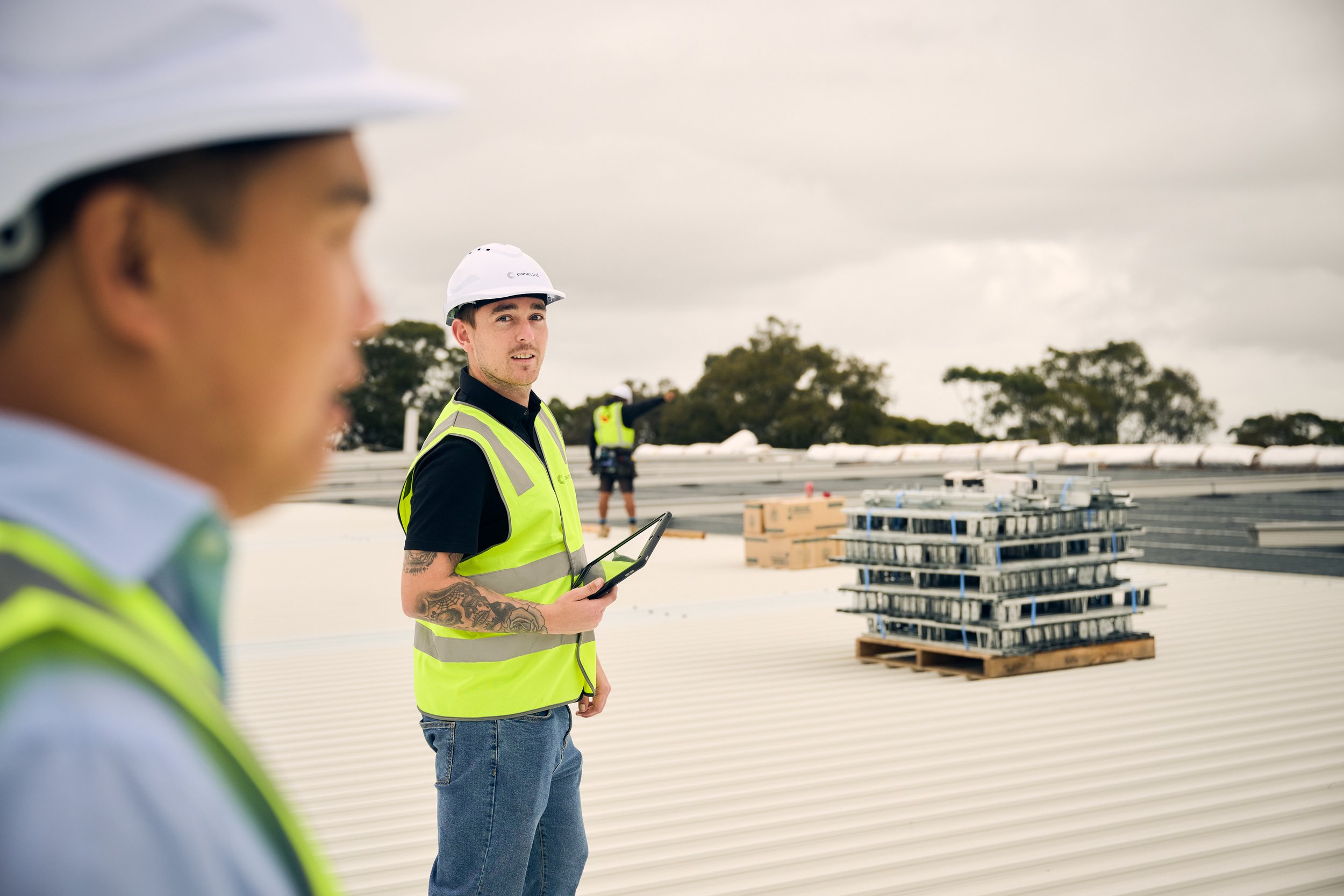
Front-Loading the Strategy
The projects that succeed in this environment share one characteristic: they front-load the logistics strategy. Before a single line is drawn, the critical questions are already answered… what gets procured and in what sequence, how utility diversions are staged, how crew moves through live areas without disrupting operations, and where the genuine integration risks sit in the programme.
Every tie-in point is documented in forensic detail, modelled in sequence, and scheduled for the minimum disruption window possible. The result is a programme where the unknowns have already been converted into managed decisions, rather than live problems to solve under pressure.
Where Risk Lives
On a conventional project, schedule risk migrates from the contractor's programme into the client's operations team, and ultimately into production commitments that were never supposed to be in scope. The goal of a properly structured brownfield methodology is to stop that migration before it starts.
When the logistics strategy is resolved at the front end, risk stays where it belongs: with the construction team, on paper, before mobilisation. That's what allows the client's scientists, operators, and quality teams to stay focused on what they do, running the facility, not managing construction variables.
If You’re Planning for 2026, the Time Is Now
Complex brownfield projects don't fail during construction. They fail during planning… or more precisely, they fail because the planning didn't go far enough, fast enough. The logistics strategy, integration sequencing, and risk framework that will determine your project's outcome need to be established months before anyone sets foot on site.