
The Brownfield Advantage
Brownfield Isn’t a Constraint. It’s the Test.
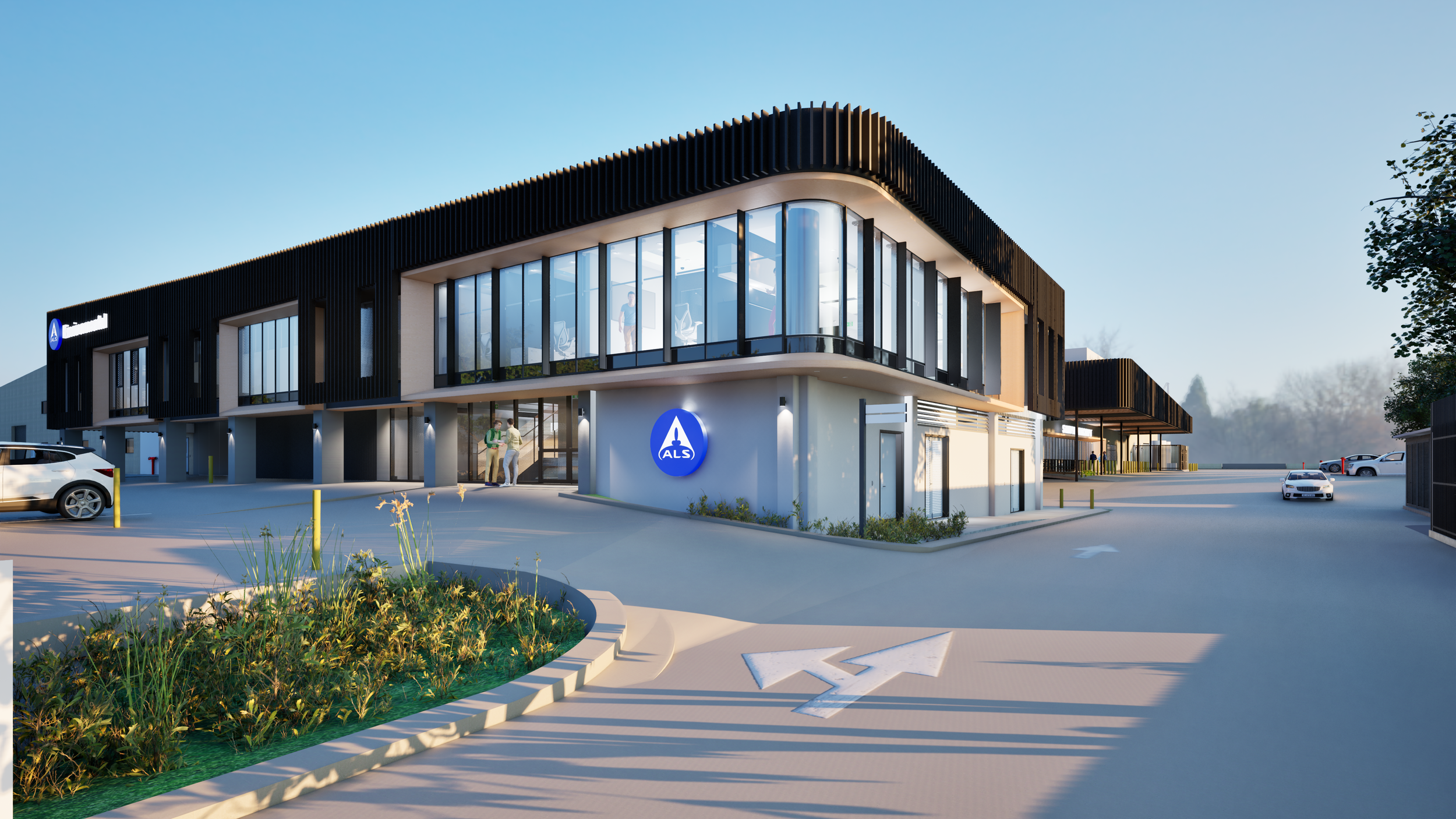
In a live research facility, construction doesn’t look like construction.
It looks like risk management.
Brownfield projects rarely fail because of construction complexity. They fail because live operating environments are underestimated, and the surprises that follow quickly inflate risk, cost and program uncertainty for everyone involved. laboratory systems, stringent compliance requirements, and future growth.
With more than 90% of Connected’s work delivered in brownfield environments, our early involvement, integrated approach is designed to surface risk early and turn uncertainty into informed decisions. As greenfield opportunities shrink across Australia, brownfield expertise is no longer a niche… it’s a critical capability.
This is brownfield construction. And it’s where most traditional delivery models break down.
The problem isn’t building in live environments. It’s pretending they behave like empty sites.
Brownfield projects sit at the intersection of construction and operations. Hospitals can’t stop treating patients. Laboratories can’t pause experiments. Data centres can’t go offline. Yet too often these projects are procured as if certainty exists on day one.
It doesn’t.

Hidden services. Incomplete documentation. Non-negotiable operational constraints. Regulatory requirements that evolve as soon as ceilings are opened. The illusion of certainty survives until contracts are signed, and then reality arrives, expensively.
This is why early engagement matters more in brownfield environments than anywhere else.
Not as a “nice to have”, but as a risk control mechanism.
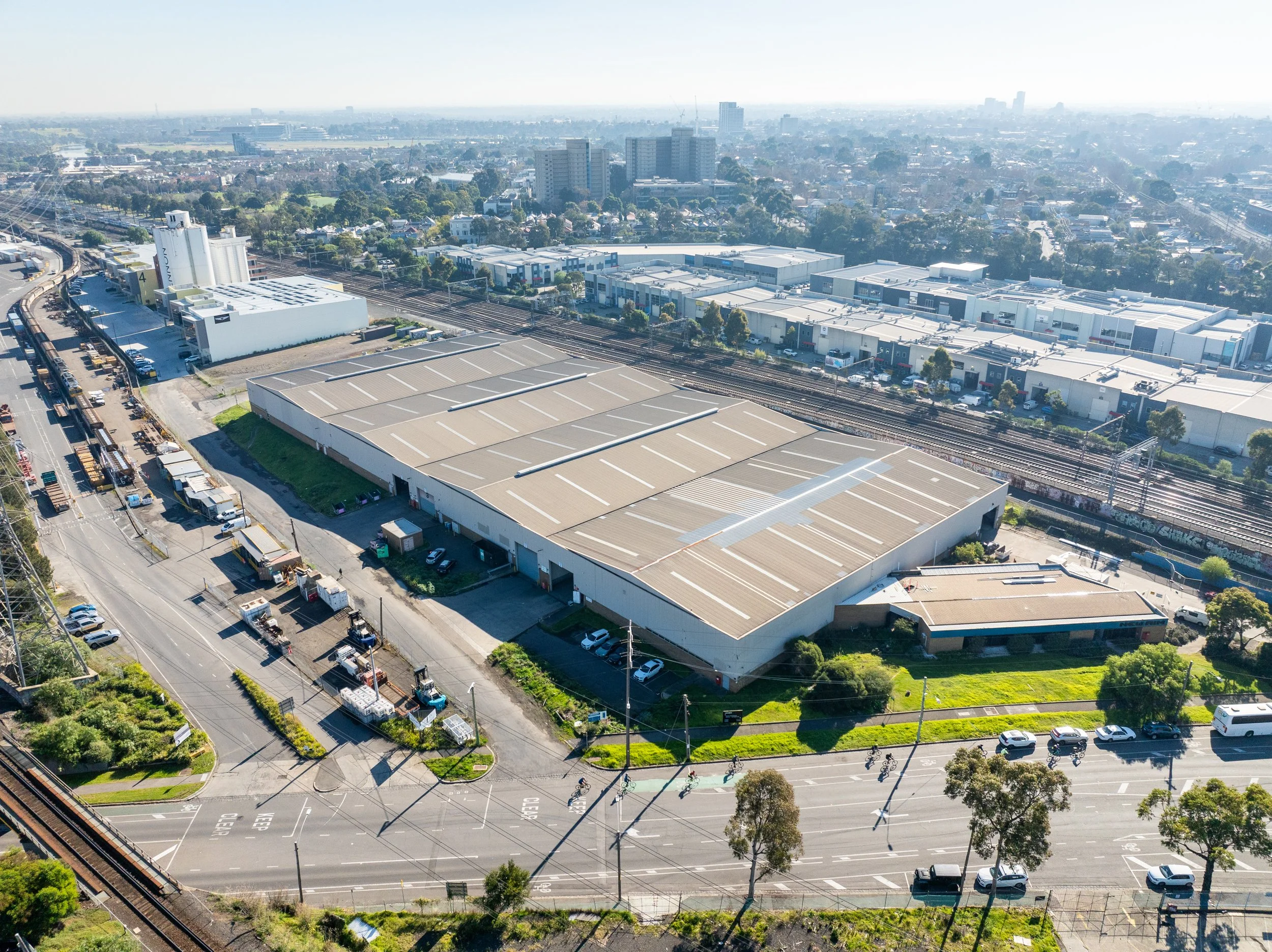
When builders are involved early, constraints are discovered before they become claims. Delivery methodology shapes design, not the other way around. Operational teams are planned around, not disrupted. Procurement focuses on capability, not optimism.
Brownfield success isn’t about working faster or cheaper. It’s about working with the environment rather than against it.
That requires a different methodology.
It requires technical depth to integrate new systems into ageing infrastructure without failure. It requires operational empathy to understand how spaces are actually used, not how drawings suggest they are. And it requires trust-based delivery models, because complex environments will always surface the unexpected, and contracts don’t solve surprises, people do.
This is why the most complex facilities are rarely delivered by the lowest bidder.
Life sciences labs, cleanrooms, healthcare facilities, complex manufacturing and mission-critical facilities don’t fail because construction was hard. They fail because the environment was underestimated.
Where certainty isn’t created by removing complexity, but by having the expertise, systems, agility and relationships to navigate it without disruption.

At Connected, we specialise in high-performance spaces that can’t afford downtime. We work early, integrate deeply, and build in ways that respect the operations that matter most; fewer shutdowns, reduced claims and variations, better compliance outcomes etc.
If you’re responsible for operational risk in a live facility and your builder isn’t engaged early, the biggest risk may already be locked in.