
Designing Labs for the Future: 6 Key Considerations
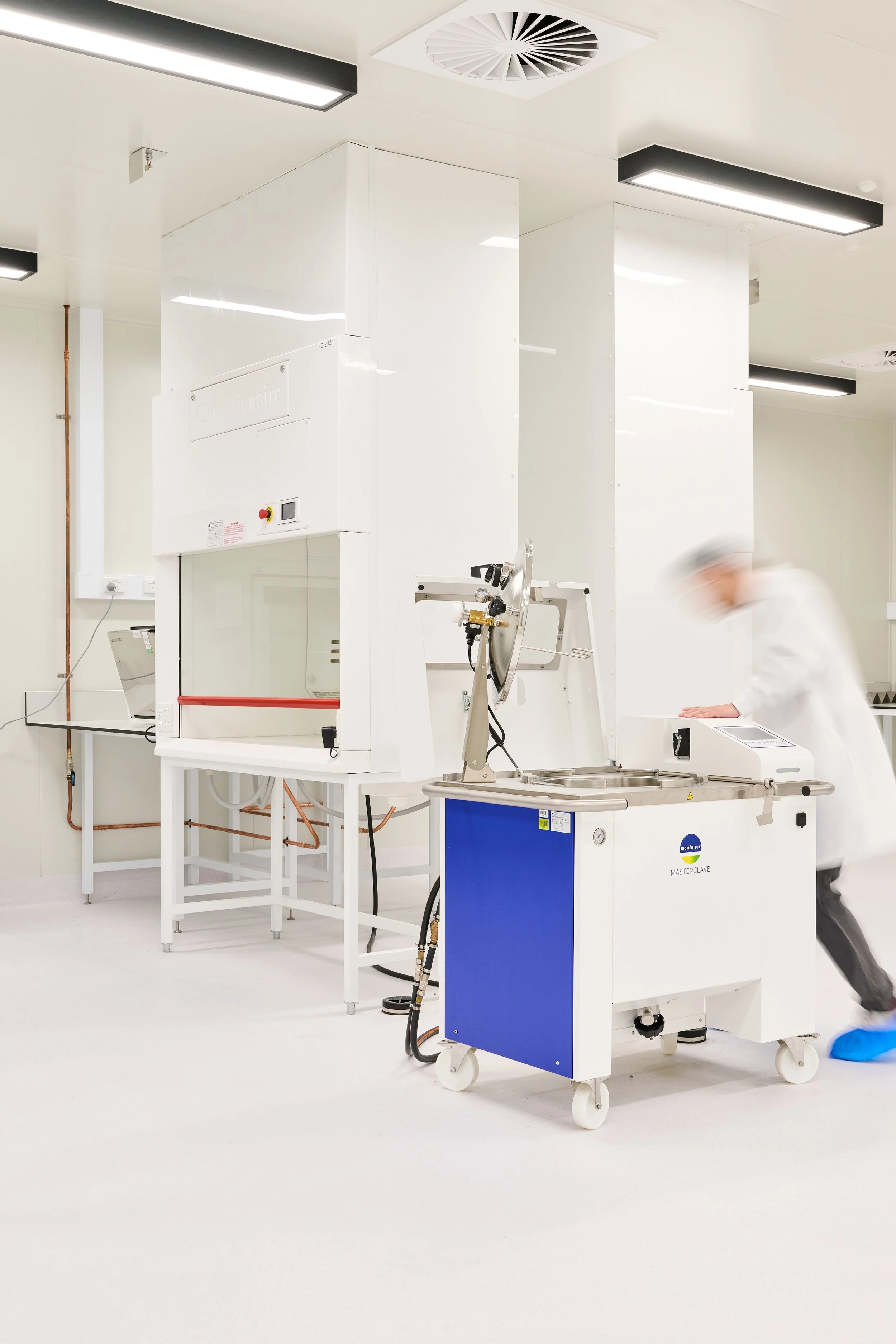
The Australian testing, inspection, and certification (TIC) sector is undergoing a fundamental transformation. As automation becomes essential rather than optional, laboratory design must evolve to support technologies that did not exist when most current facilities were built. Recent research into leading TIC operations reveals that successful automation depends as much on thoughtful facility design as on equipment selection.
Here are six critical considerations for designing laboratories that can thrive in an automated future.
1. Power Infrastructure: The Hidden Foundation
The most commonly underestimated requirement in laboratory automation is electrical infrastructure. Automated systems demand consistent, high-capacity power that existing facilities often cannot provide.
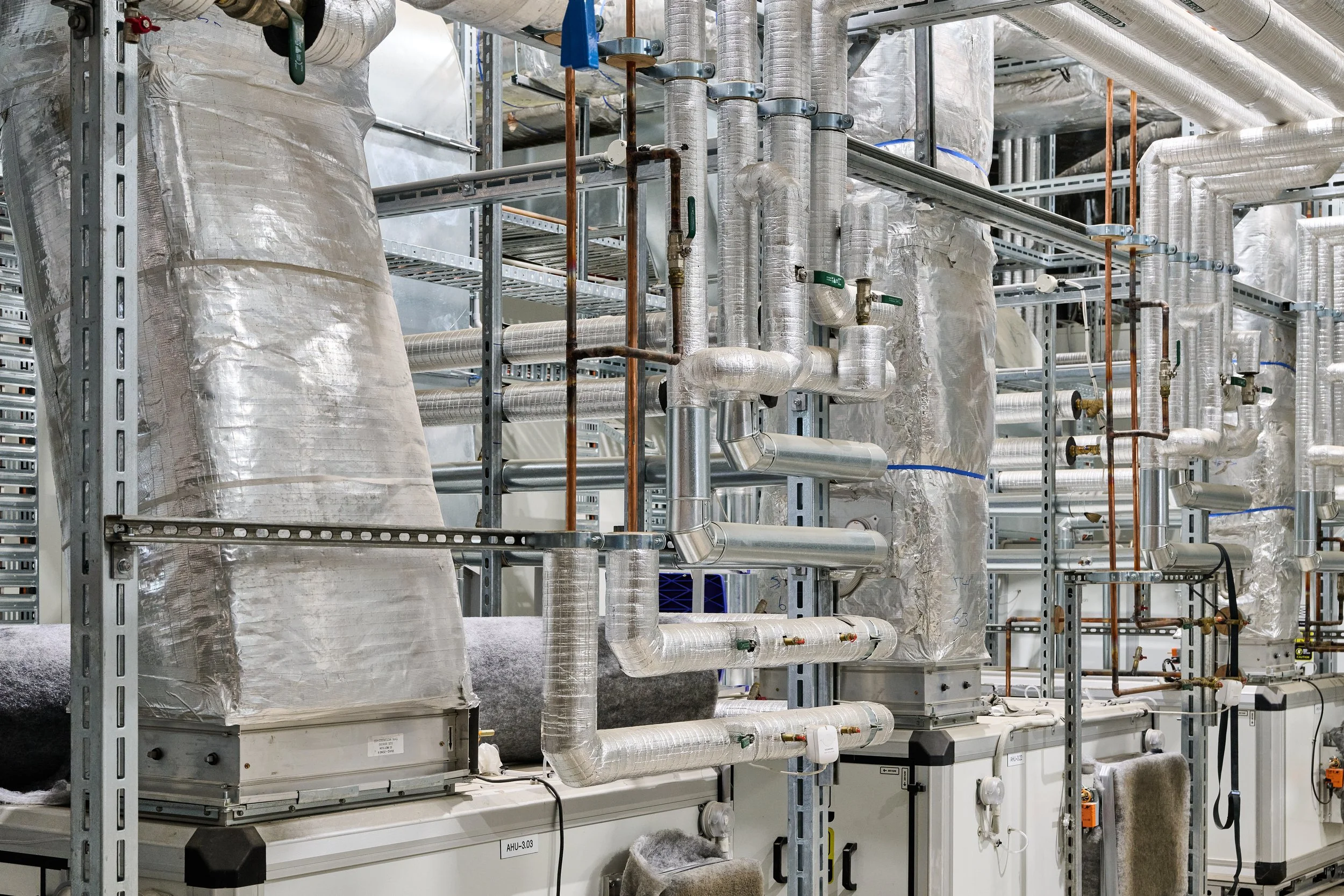
Robotic systems, environmental controls, and integrated analytical equipment create power demands that exceed traditional laboratory loads by 50 to 100%. More critically, automation systems require uninterruptible power. Generators will not suffice when precision equipment needs stable voltage during millisecond level operations.
Design approach: Plan electrical infrastructure for 150% of anticipated automation loads, even if immediate implementation plans are modest. Include dedicated circuits for critical equipment, backup battery systems for robotics, and power conditioning to protect sensitive analytical instruments. These investments cost far less during initial construction than retrofitting operational facilities.
2. Spatial Planning: Automation Expands Rather Than Contracts
A persistent myth suggests automation reduces space requirements by eliminating manual workstations. Reality proves otherwise. Automated laboratories typically require 20 to 30% more floor area than manual operations.
Robotic systems need maintenance access from multiple sides. Material handling equipment requires clear pathways. Automated cleaning systems demand dedicated stations. Sample storage must accommodate increased throughput without creating bottlenecks. Environmental testing facilities processing over 20,000 weekly samples need spatial buffers that prevent operational congestion.
Design approach: Allocate space for equipment evolution over 20 year facility lifespans. Create modular zones that can adapt as automation technology advances. Design clear circulation paths that separate sample flow from staff movement. Include dedicated areas for equipment servicing that do not disrupt daily operations.
3. Modular Design: Building for Technology Evolution
Automation technology evolves rapidly. Systems specified during facility design may become outdated before construction completes. Rigid, equipment specific designs create expensive obsolescence risks that undermine long term facility value.
Successful implementations focus on flexible infrastructure rather than fixed layouts. Oversised utility chases, movable service drops, and adaptable floor systems enable equipment changes without major reconstruction. This approach protects capital investments while maintaining competitive responsiveness.
Design approach: Design equipment agnostic spaces with universal infrastructure that accommodates various automation systems. Use raised flooring or overhead service distribution that can relocate without demolition. Create standardised equipment footprints that enable technology swaps without workflow redesign. Plan for equipment that does not yet exist.
4. Environmental Control: Precision Beyond Comfort
Automated systems impose environmental demands that exceed human comfort requirements. Analytical equipment needs precise temperature stability—variations of even one degree can affect measurement accuracy at parts-per-billion detection limits. Humidity control prevents condensation that corrodes sensitive components and affects sample integrity.
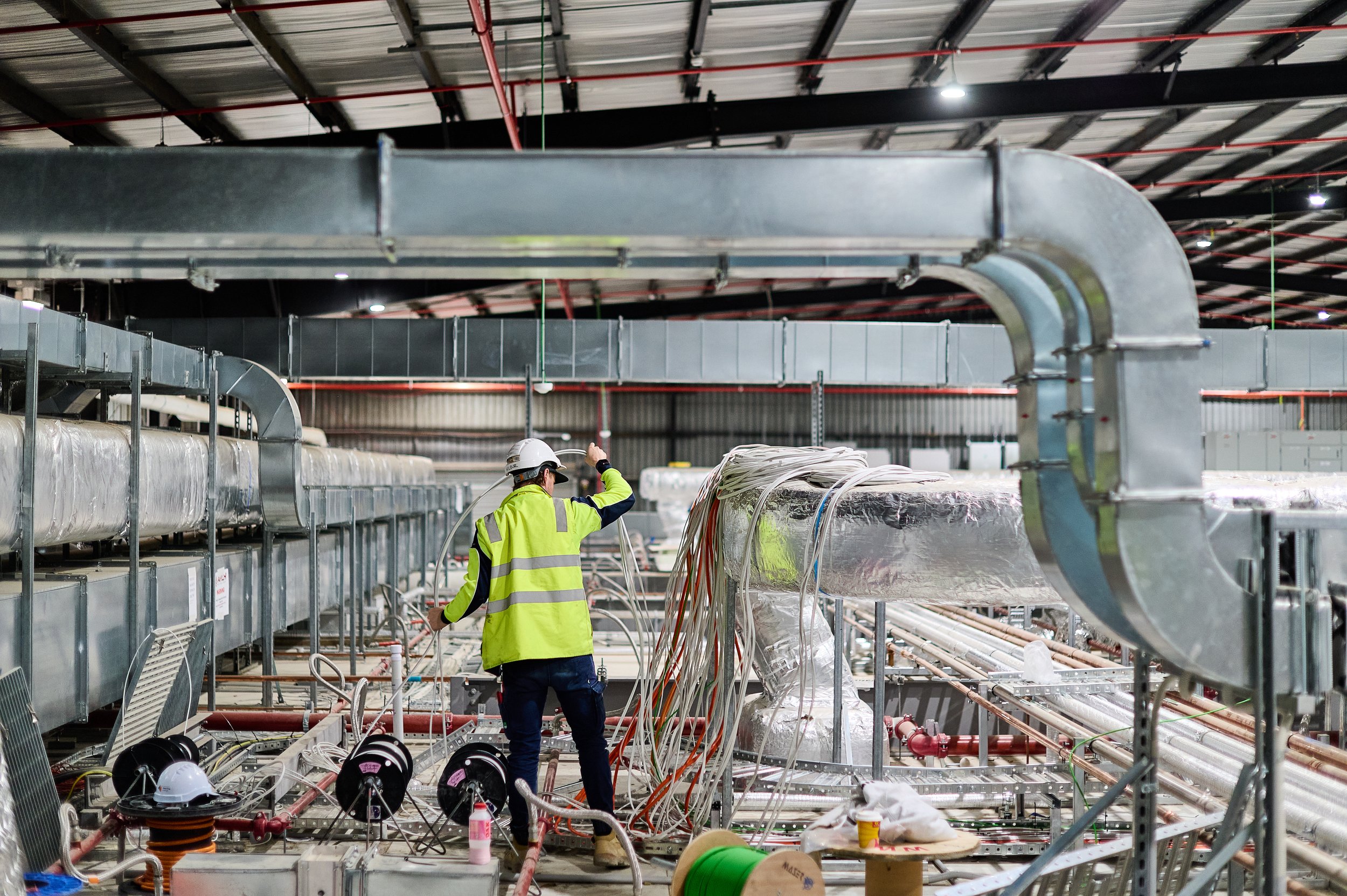
The challenge intensifies because automation equipment generates substantial heat while requiring cool operating environments. Mining laboratories processing hundreds of daily samples through automated systems must dissipate thermal loads while maintaining stable conditions for precision analysis.
Design approach: Design HVAC systems for equipment heat loads rather than occupancy patterns. Include redundant environmental control so maintenance doesn't interrupt operations. Create thermal zones that isolate high-heat equipment from temperature-sensitive processes. Monitor and control humidity independent of temperature requirements. Plan for 24/7 operation regardless of current work schedules.
5. Contamination Control: The Automation Challenge
Contamination prevention becomes more complex in automated environments. Environmental laboratories detecting trace contaminants cannot tolerate carryover between the thousands of weekly samples they process. Food safety facilities must prevent cross-contamination that could affect export certifications. Even mining operations need contamination control for accurate analytical results.
Automated cleaning systems must exceed manual cleaning effectiveness while operating between every sample. This requires sophisticated wash stations, waste management systems, and verification protocols that manual operations handled through human judgment.
Design approach: Design dedicated cleaning zones with appropriate drainage and ventilation. Separate clean and contaminated material flows through distinct spatial pathways. Include verification stations where staff can confirm cleaning effectiveness. Plan waste management infrastructure that supports automated disposal without manual handling. Create buffer zones between different contamination risk areas.
6. Staff Ergonomics: Changing Roles, Evolving Needs
Automation transforms rather than eliminates human work. Staff roles shift from repetitive manual tasks to system monitoring, troubleshooting, and analytical interpretation. This transition creates different ergonomic requirements that traditional laboratory design doesn't address.
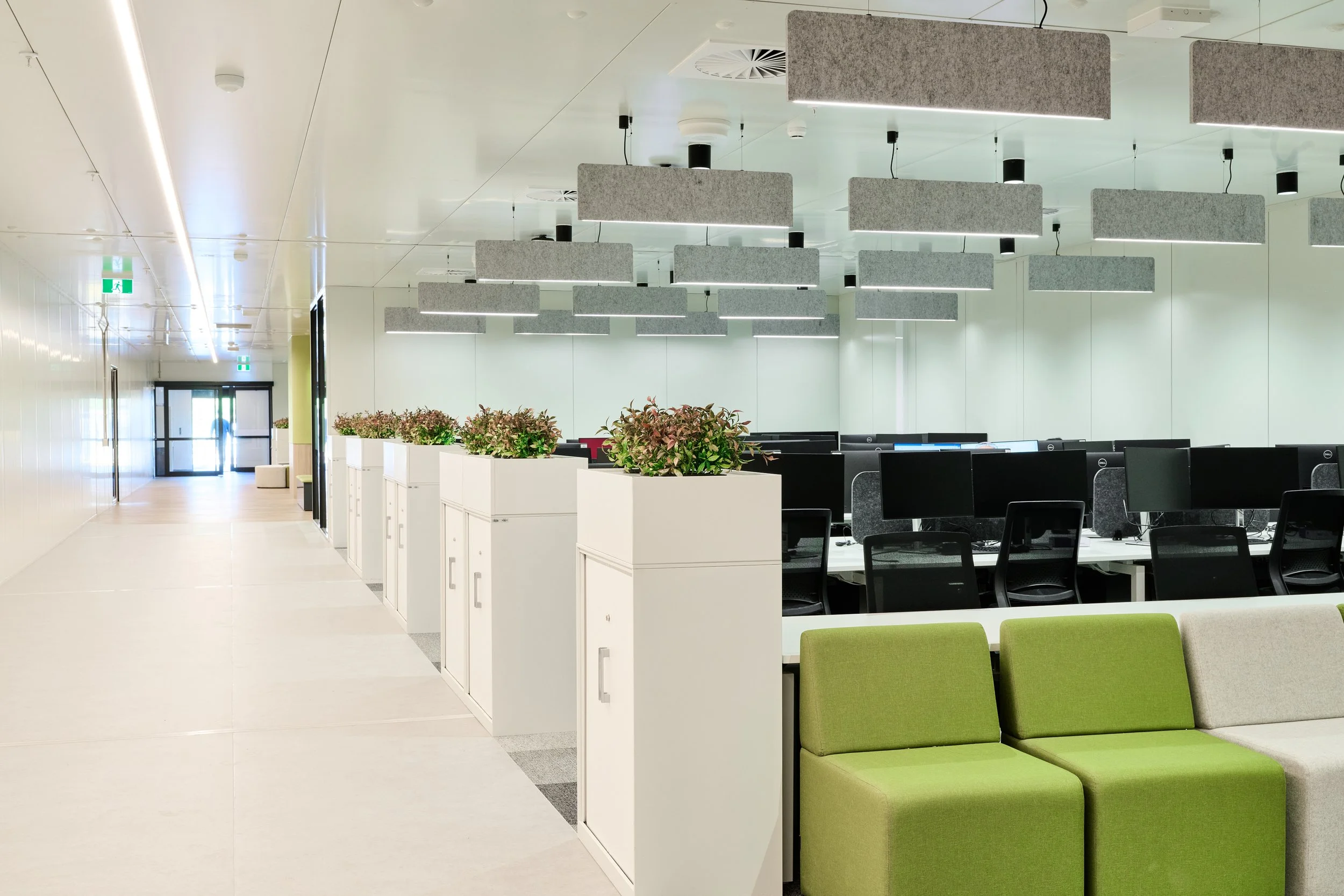
Automated facilities need workstations supporting extended computer use for system monitoring. Maintenance work requires access to equipment at various heights and positions. Problem-solving demands collaboration spaces where teams can diagnose system issues. The physical demands change from standing at benches to moving between monitoring stations and equipment access points.
Design approach: Create ergonomic monitoring stations with adjustable work surfaces and multiple screens. Design maintenance access that doesn't require awkward positions or unsafe reaches. Include collaboration areas near automation systems where teams can troubleshoot problems. Provide adequate lighting for precision maintenance work. Consider sight lines that enable visual monitoring without constant movement.
Sustainability: The Long-Term Perspective
Automated laboratories consume substantial energy but offer opportunities for efficiency improvements impossible in manual operations. Continuous operation enables waste heat recovery and process integration that batch manual work cannot achieve. Precise environmental control reduces energy waste from over-conditioning. Optimized workflows minimize redundant sample handling and processing.
The sustainability advantage comes from operational efficiency rather than reduced resource use. Automated facilities typically consume more total energy but achieve dramatically better energy-per-sample ratios that improve as throughput increases.
Design approach: Include energy recovery systems that capture waste heat from equipment and environmental control. Design building envelopes that minimize thermal losses during 24/7 operation. Specify efficient equipment that meets performance requirements with minimal energy consumption. Monitor energy use by process zone to identify optimization opportunities. Plan for renewable energy integration as technology costs decline.
Planning for the Inevitable
The question facing Australian TIC organizations isn't whether to automate but when and how. Labor market pressures, increasing quality demands, and competitive forces make automation essential for maintaining operations. Facilities designed for manual processes will require expensive retrofitting that disrupts service delivery and reduces operational efficiency.
Smart organisations incorporate automation infrastructure during initial design regardless of immediate implementation plans. This approach adds modest upfront costs, typically 10-15% of construction budgets, while avoiding retrofitting expenses that often exceed 50% of original automation equipment costs.
The best laboratory designs create options rather than constraints. They enable organisations to respond to market changes, adopt new technologies, and evolve operations without reconstructing facilities. They recognise that automation represents permanent transformation rather than temporary disruption.
The Competitive Advantage
Well-designed automated facilities deliver competitive advantages that extend beyond operational efficiency. They enable consistent service quality that manual operations cannot match. They provide capacity flexibility that responds to market fluctuations. They create operational resilience during workforce disruptions that increasingly affect manual operations.
As the Australian TIC sector transforms, these capabilities become valuable for maintaining market position. Organisations that understand these realities, that commit to integrated planning approaches and invest in facilities designed for automated futures, will define the sector's evolution.
The laboratories being designed today will operate for decades. Designing them for automation rather than retrofitting them later represents practical strategy rather than speculative investment. The future of Australian TIC testing depends on facilities that enable rather than constrain the technological transformation already underway.